Did you know that the symbol of the fly represents unrest, distress or bad news? We look at the details together!
Playing cards have been interpreted and used in many different ways in different societies throughout history. In everyday life, they are mostly used to play games, but the cards also have a cultural and historical background. Each card is not only a game tool, but also opens the door to a world of meaning full of symbols. So, what do the symbols on playing cards mean? Here’s what you need to know about the story, symbols and meanings of playing cards!
The story of playing cards
The playing cards known today are known as the French style and are believed to have originated in the Tang dynasty in 9th century China. Known as the emperor’s daughter’s “leaf game”, the cards started to be played with a dice, but the rules of the game have changed until today. It is also estimated that card games spread from China to Europe through the Mamluks, when the symbols represented monetary values.
The beginning of card games in Europe dates back to the 14th century card game ban in Bern, Switzerland. It was the Italians who added the king, queen and jack to the cards, while Spanish cards replaced the queen with cards represented by numbers. It is known that cards were first played by the elite, but later became popular among the general public.
France introduced the current symbols of hearts, spades, diamonds and clubs and started the tradition of separating the symbols into two different colors, red and black. The identification of famous names with the cards started in this period. It was also in the 17th century that the cards were standardized and dressed in French clothing. The introduction of the Joker card into the deck began with the transition to America, where it was used as a “wild card” in the game of Euchre.
Symbols on playing cards and their meanings
Playing cards contain the four different symbols found in a classic deck of playing cards: Hearts, Diamonds, Clubs and Spades. The Hearts symbol usually represents love, sensuality and relationships, while the Diamonds symbolizes wealth, abundance and prosperity. The Club symbol represents unrest, trouble or bad news. The Spades symbol stands for power, leadership and victory. These meanings of the symbols of playing cards are used for fortune telling as well as games.
Hearts
In card fortune telling, the heart card usually symbolizes love, friendship and family relationships. Contrary to popular belief, its shape is thought to originate not from the heart, but from the shield turning into a heart. This card is typical of the noble class and represents royalty and the church. The reason why it is a powerful card in games, especially poker, is because it represents the nobility.
Spades
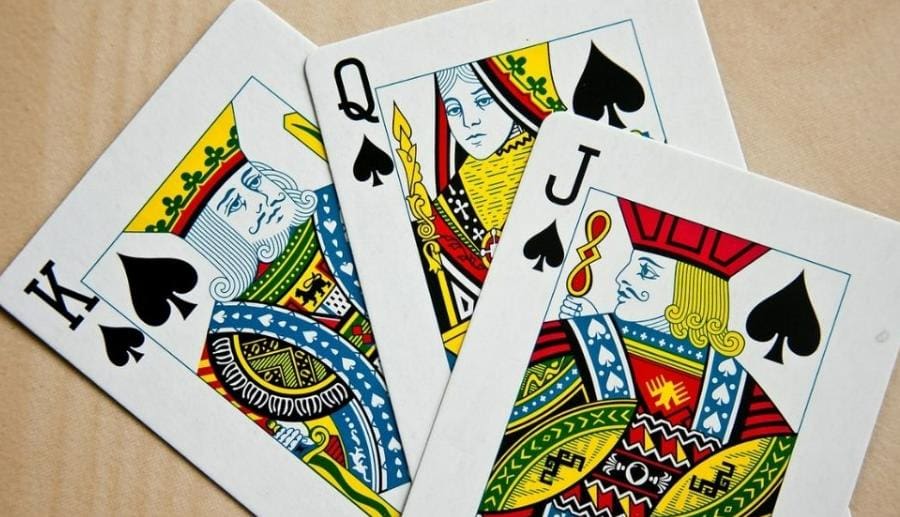
The Spade card often represents armies and chivalry, as it has a spear-like shape. Representing power, wisdom and the warrior spirit, the Spade card symbolizes the shield and sword of the noble class in the Middle Ages. In games such as poker, known as the game of nobility, hearts are considered the strongest card, but in the strategy game bridge, spades become the card with the highest value. In fortune telling, spades symbolizes death, sorrow and betrayal.
Diamonds
Inspired by the tiles of commercial shipping companies in France in the 14th century, diamond cards have a diamond shape. The diamond is also considered a symbol of the nobility and merchant class. In horoscopes, it symbolizes career, financial status and wealth.

Fly
Designed in the shape of a clover leaf, the club card symbolizes the peasant class and is often associated with the working world. Often considered the least valuable card in the game, it also represents labor and endurance.
What do the figures and numbers of playing cards mean?
In a deck of cards, not only the symbols but also the numbers and the figures on the cards have specific meanings.
Ace card
The values of the cards vary depending on the game, but they usually have a hierarchical structure as well as a number. Within this hierarchical system, the only defiant card is the “Ace” (1 card). While the Ace card is initially considered the lowest and worthless, it symbolically represents an ordinary person. The Ace of Spades also symbolizes beginnings, power and leadership.
Numbered cards
There are 13 cards for each symbol. These cards contain the numbers 1 to 10, followed by the jack (vale), queen (dam) and king (rua). The numbers have different meanings when combined with the symbol of the card. For example, “7” is associated with luck and spirituality, while “4” symbolizes stability.

Picture cards (King, Queen, Jack)
Pastor (King)
Did you know that in our country, the card known as King in card games is actually ‘king’ in English? In foreign card decks, the King and Queen pair are depicted as young, while in our culture, the King is seen as a slightly older and wise figure and is called ‘king’. King cards are often thought to represent historical figures. For example, the King of Hearts symbolizes King Charlemagne, the King of Spades symbolizes King David, the King of Diamonds symbolizes Julius Caesar and the King of Clubs symbolizes Alexander the Great.
Girl (Queen)
The Queen is the wife of the King. While in foreign card games the King and Queen are represented as a couple, in domestic card games the King is called ‘king’, while the Queen is called ‘queen’ and is depicted as an older character. There is no queen card in early card decks. Instead of this card, there are decks with 3 male characters. In French decks, there are no decks without a ‘queen’ card, as in our country.
Jack (Jack)
In the past the word “knave” was used to mean a knave or a knave’s son, but today the term “jack” is preferred. In some places in the past, a jack was also called a prince. Spanish cards, on the other hand, do not have a queen, but instead have a king, knight and jack.
Uses and cultural reflections of playing cards
Playing cards are widely used in games and cultural practices. Fortune tellers offer clues about people’s lives by analyzing the symbols. They are also popular in gambling, a form of entertainment that requires strategy. They also play a symbolic role in art and popular culture; for example, playing cards play an important role in Alice in Wonderland.
Fortune telling and divination
Fortune telling and divination refer to the purpose of predicting people’s future or obtaining information about their current situation. Like tarot cards, playing cards are also used for fortune telling. These cards are revealed in a certain order and offer clues about various aspects of a person’s life.
A classic French deck of cards consists of 52 cards and each card has its own meaning. When you tell your fortune, it is important which cards are revealed and when. The cards of hearts usually represent emotional matters, while the cards of diamonds symbolize material matters.
In predictions from playing cards, sometimes even randomly selected cards can give messages that can be a turning point in a person’s life. However, the important thing here is the ability to interpret. Even if everyone draws the same cards, the messages may differ because these messages are associated with personal experiences and emotions.
Art and popular culture
In art and popular culture, playing cards are frequently used as metaphors in various fields. Especially in a wide range of genres, from movies to literature, this symbolism is frequently encountered. For example, in classical works such as “Alice in Wonderland”, cards are deeply rendered as a symbol of a chaotic world order.
In Alice in Wonderland, playing cards are used to represent the challenges or complex relationships that the characters face. Different cards, such as the queen of hearts, the king of hearts or the ace of hearts, are skillfully used to reflect the characters’ inner struggles, the balance of power or social structures.
In literature, playing cards are also often used as metaphors. Authors skillfully use these symbols to describe the relationships between characters or the development of events. For example, in a novel, the five of hearts can be used symbolically to emphasize a particular character’s bad luck or sense of frustration.
Thus, playing cards are one of the most important metaphors in art and popular culture, carrying deep meanings and being used in multifaceted ways. This symbolism offers viewers or readers the possibility to understand and discover the deeper messages hidden in the works.
The post A History from China to France: The Meanings and Story of Playing Cards appeared first on NSF News and Magazine.